
Moving to Dallas alone works when you do three things: pick a walkable neighborhood inside the loop, get out of your apartment in the first two weeks, and skip the suburbs. Thousands of people make this move every year. No partner, no family tagging along, no college roommate waiting at the other end. Just a lease, a job (or the promise of one), and the quiet terror of starting over in a city where you don’t know anyone.
It works more often than you’d think, and the people who do it well tend to share those three habits.
1BR rent range: $1,200-$2,200/month depending on neighborhood
Single-person monthly budget: $3,200-$4,500 (comfortable, not lavish)
Quick ways to meet people: November Project (free), Dallas Social sports leagues, volunteer orgs
Biggest mistake: Moving to a car-dependent suburb where you never bump into anyone
The Neighborhoods Where Solo Movers Actually Stay
Dallas spans 8+ million people across four counties, but solo transplants cluster in the same five neighborhoods for a reason: walkability, density, and places to be around other humans without planning it. These five areas have Walk Scores above 60, 1BR rent between $1,200 and $2,200, and the kind of foot traffic that turns strangers into regulars.
Lower Greenville
Lower Greenville is the neighborhood that solo movers keep recommending to other solo movers. The stretch of Greenville Avenue between Mockingbird and Ross has over 60 restaurants, bars, and coffee shops within walking distance. 1BR apartments run $1,300 to $1,700/month. The crowd skews late 20s to mid 30s, and the vibe is casual enough that sitting alone at a bar doesn’t feel weird. HG Sply Co, Truck Yard, and the Granada Theater are the anchors. DART’s Green Line stops at Lovers Lane, connecting you to downtown in 15 minutes.
Uptown
Uptown is denser, pricier, and more polished. 1BR apartments run $1,600 to $2,200/month. The McKinney Avenue Trolley is free and runs through the center of the neighborhood. Katy Trail, a 3.5-mile rail-to-trail running path, is the unofficial social hub for Uptown residents — you will see the same people there every morning. Uptown’s Walk Score is in the high 80s, the most walkable of the places on this list. If you work downtown, you can walk or trolley to the office. The trade-off: it’s louder, parking costs extra ($75-$150/month), and the neighborhood empties out of young professionals around age 35.
Knox-Henderson
Knox-Henderson sits between Lower Greenville and Uptown and borrows the best of both. The rent is moderate ($1,400 to $1,800/month for a 1BR), the restaurants are strong (Gemma, HG Sply Co Knox, Fireside Pies), and the foot traffic is constant without being overwhelming. Knox Street has locally owned shops and an energy that feels less corporate than Uptown. It’s a strong pick for remote workers who want to walk to a coffee shop and actually run into the same barista twice.
Bishop Arts District
Bishop Arts is the artsy, eclectic pick. Located in the Oak Cliff area south of downtown, it has murals on every other wall, indie bookshops, and restaurants that skew creative (Lucia, Eno’s Pizza Tavern, Emporium Pies). 1BR rent runs $1,200 to $1,600/month, the lowest of the five neighborhoods here. The DART Oak Cliff streetcar connects to downtown. The crowd is more diverse in age and background than Uptown or Knox-Henderson. If you want a neighborhood with personality over polish, this is it.
Oak Lawn
Oak Lawn is home to the city’s LGBTQ+ community. Cedar Springs Road is the center of gravity, with bars, restaurants, and community organizations clustered within a few walkable blocks. 1BR apartments run $1,300 to $1,800/month. The Resource Center Dallas hosts regular events and social groups. Oak Lawn borders Uptown and the Turtle Creek area, so you get access to Katy Trail and the McKinney Avenue Trolley without Uptown rent.
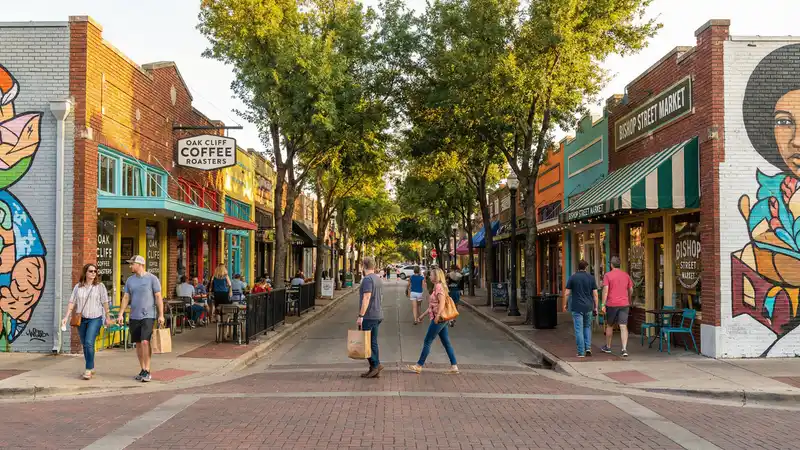
For the complete neighborhood breakdown with school ratings, commute data, and Walk Scores, see the Dallas Neighborhoods Guide.
Sponsored: RelocateMeTX is affiliated with F.A.D Furnished Apartments.
The Single-Person Budget: What Dallas Actually Costs Alone
A single adult in Dallas spends $3,200 to $4,500 per month after taxes on housing, food, transport, and a modest social life, based on 2026 rent data from the five neighborhoods above. That translates to a gross salary of roughly $55,000 to $72,000 for a basic-to-moderate lifestyle. Our salary guide breaks down every tier from survival (MIT’s $48,489 living wage) to comfortable (about $97K), but here’s the solo-specific version.
Monthly budget for a single person in Dallas (2026):
- Rent (1BR): $1,300-$1,800 (Lower Greenville/Knox-Henderson range)
- Utilities + internet: $150-$220
- Groceries: $350-$450
- Car payment + insurance: $450-$600 (or $0 if you pick a walkable neighborhood and use DART)
- Gas or transit: $80-$200
- Health insurance: $250-$450 (marketplace, if not employer-covered)
- Dining out + entertainment: $200-$400
- Renter’s insurance: $15-$25
Texas has no state income tax, which adds roughly 5 to 9% back to your paycheck compared to states like California, New York, or Illinois. But property taxes are high. In the city of Dallas the combined rate is about 2.23% of assessed value before exemptions; after you file the homestead exemption, a new owner’s effective rate lands around 1.58-1.74%. So if you’re buying eventually, factor that into your long-term math. For renters, property taxes are baked into your rent (the county-wide average effective rate runs closer to 1.4-1.5%, since Texas’s 10% appraisal cap holds long-time owners below market) — you’re already paying them indirectly.
How to Actually Meet People in Dallas
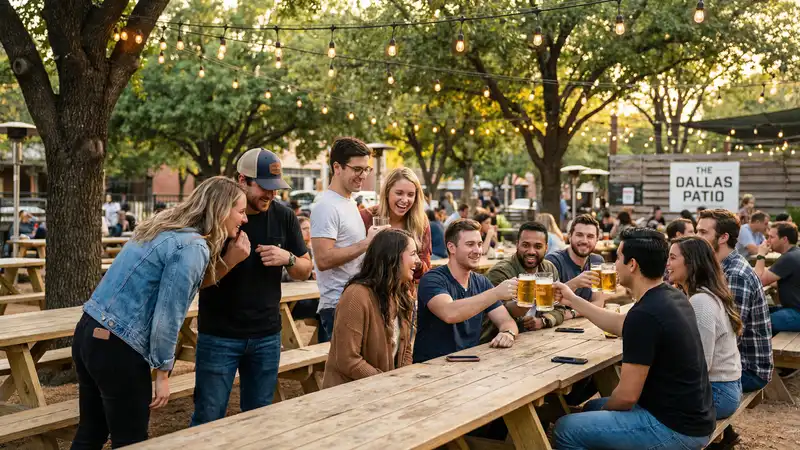
The r/Dallas subreddit has hundreds of “just moved here alone” threads, and they all converge on the same answer: structured, recurring activities. Dallas is friendly on the surface but hard to crack below it. People are polite. They will say “we should hang out” and never text you. This is normal. It is not personal. The fix is showing up to the same place, with the same people, week after week.
Free and Low-Cost Social Groups
- November Project Dallas: Free outdoor fitness group, Wednesday and Friday mornings. Show up, work out, introduce yourself. It’s a fast way to meet people in Dallas. The culture is aggressively welcoming.
- Dallas Social: Recreational sports leagues (kickball, volleyball, dodgeball, soccer). Games are weekly, teams are co-ed, and the post-game bar is where friendships actually form. Season runs 8 weeks and costs $50-$80.
- Meetup.com Dallas groups: Hundreds of active groups, including Dallas New in Town, Dallas Young Professionals, Dallas Hiking Club, and the various tech/industry meetups.
Volunteer Organizations
Volunteering puts you shoulder-to-shoulder with people who care about something. That’s a better foundation for friendship than “we both showed up at a bar.”
- North Texas Food Bank: Regular volunteer shifts at their distribution center in Plano. High-energy, social atmosphere.
- Habitat for Humanity Dallas: Build days on Saturdays. Physical work, team environment, no experience needed.
The Dog Park Shortcut
If you have a dog (or are open to fostering one), Mutts Canine Cantina in Uptown is a bar + dog park. It is the easiest possible social environment in Dallas. You stand there, your dog plays, someone else’s dog plays, and you’re talking within 90 seconds. White Rock Lake Dog Park is the free version — larger, less structured, but the same dynamic.
Dating in Dallas as a Newcomer
Hinge and Bumble are the dominant apps here, with Hinge slightly ahead among the 25-35 crowd in the neighborhoods above. Dallas’s dating culture leans more traditional than coastal cities. People dress up more, first dates tend to be dinner rather than coffee, and there’s an expectation of effort on both sides.
The best dating advice for Dallas newcomers is the same as the friendship advice: go where the same people gather repeatedly. Sports leagues, fitness classes (Barry’s, Equinox, and local CrossFit boxes have strong social scenes), and neighborhood bars where regulars sit at the bar top. Deep Ellum and Lower Greenville are the best neighborhoods for casual first dates. Uptown skews flashier. For the full pros and cons of Dallas, including the dating and social scene, that post covers it honestly.
The Dallas subreddit (r/Dallas) has candid threads about dating here. Read them before you form expectations.
Safety Tips for Living Alone in Dallas
Dallas’s overall violent crime rate is 7.6 per 1,000 residents (Dallas Open Data), but the five solo-friendly neighborhoods above sit well below that average. Violent crime concentrates in specific pockets: south Dallas below I-30, parts of Pleasant Grove, and sections of West Dallas. Uptown, Knox-Henderson, and Lower Greenville are among the safest areas in the city for daily living.
Practical safety tips for living alone in Dallas:
- Get renter’s insurance ($15-$25/month). It covers theft, which does happen in apartment complexes.
- Car break-ins are common in Dallas. Don’t leave anything visible in your car. Ever.
- Share your location with a friend or family member back home. iPhone’s “Find My” or Google’s location sharing works.
- Dallas PD’s crime map is public. Check Dallas Open Data for your specific block before signing a lease.
For the full safety picture including flood zones and weather risks, see the Dallas Weather Guide.
The Honest Emotional Timeline
Research on relocation adjustment (sometimes called the “U-curve”) suggests most solo movers hit a low point around weeks 3 to 6, then steadily rebuild. Reddit threads from Dallas transplants confirm the pattern almost unanimously. Here’s what the timeline actually looks like:
Weeks 1-2: Adrenaline. Everything is new. You’re exploring restaurants, driving around neighborhoods, setting up your apartment. It feels like vacation.
Weeks 3-6: The dip. The novelty fades, your apartment feels empty on a Tuesday night, and everyone back home is posting group photos. This is the hardest stretch. It is also completely normal and temporary.
Months 2-4: The rebuild. If you joined something in week one or two, this is when those acquaintances start turning into actual friends. You have a coffee shop. You have a gym. You recognize the person at the dog park.
Months 4-6: Home. Not all the way, but enough. You have people to text on a Friday. You have a favorite taco place. You stop using GPS to get to the grocery store.
The dip in weeks 3 to 6 is where most people decide Dallas “isn’t friendly” or “is hard to meet people in.” It’s not Dallas. It’s the process. Push through it.
Your First-Month Checklist
The first 30 days set the tone for your entire solo relocation. Knock out the logistics in week one so you can focus on building a social life by week two. Here’s the prioritized list.
- Browse Dallas housing options and sign a lease in one of the five walkable neighborhoods above
- Join one recurring social activity (sports league, fitness group, volunteer org) within 14 days
- Find your “third place” (a coffee shop or bar where you become a regular)
- Set up a DART GoPass if you’re in a transit-connected neighborhood
- Get your Texas driver’s license within 90 days (DPS)
- Lock in an electricity provider on PowerToChoose.org
- Read the Dallas Moving Checklist for the full operational to-do list
For job market strategy and savings runway math, see Moving to Dallas Without a Job. Browse major Dallas employers by industry to target your search. For the big-picture guide covering cost of living, property taxes, weather, and the honest downsides, start with Moving to Dallas in 2026.
Frequently Asked Questions
Is Dallas a good city to move to alone?
Yes. Dallas has a large transplant population — the DFW metro added 123,557 residents between July 2024 and July 2025 (Census Bureau), and a significant share of those are solo movers. The city has strong job markets across multiple industries, no state income tax, and walkable neighborhoods with active social scenes. The key is choosing the right neighborhood. Lower Greenville, Uptown, Knox-Henderson, Bishop Arts, and Oak Lawn all have the density and foot traffic that make solo living feel connected rather than isolated.
How do I meet people after moving to Dallas alone?
Join a structured, recurring activity within your first two weeks. November Project (free fitness, Wednesdays and Fridays), Dallas Social sports leagues ($50-$80/season), and Meetup.com groups are three quick paths. Volunteering at the North Texas Food Bank or Habitat for Humanity puts you alongside the same people weekly. Dog parks — especially Mutts Canine Cantina — are the lowest-friction social environment in the city. The common pattern among people who build a social circle quickly: they said yes to everything for the first 60 days.
What salary do I need to live alone in Dallas?
A comfortable single-person budget in Dallas runs $3,200 to $4,500/month, which requires a gross salary of roughly $55,000 to $72,000 depending on benefits and lifestyle. The low end assumes a 1BR in Bishop Arts or Lower Greenville ($1,200-$1,600/month), no car payment, and modest dining out. The high end covers Uptown rent ($1,600-$2,200), a car payment, and a more active social life. Our full salary breakdown covers every income tier from survival to comfortable.
What are the safest neighborhoods in Dallas for living alone?
Uptown, Knox-Henderson, and Lower Greenville consistently rank among Dallas’s safest neighborhoods for renters. Oak Lawn and Bishop Arts are also solid for daily living with normal urban awareness. Before signing a lease, plug your specific address into the Dallas crime map to check incident density on your block. Vehicle break-ins are a common property crime across the metro, so never leave bags, electronics, or anything visible in a parked car. The Dallas Neighborhoods Guide includes safety context for every major area.