
Dallas vs Denver
Comprehensive side-by-side comparison of Dallas and Denver for relocating families and professionals. Cost of living, jobs, outdoor lifestyle, weather, and housing.

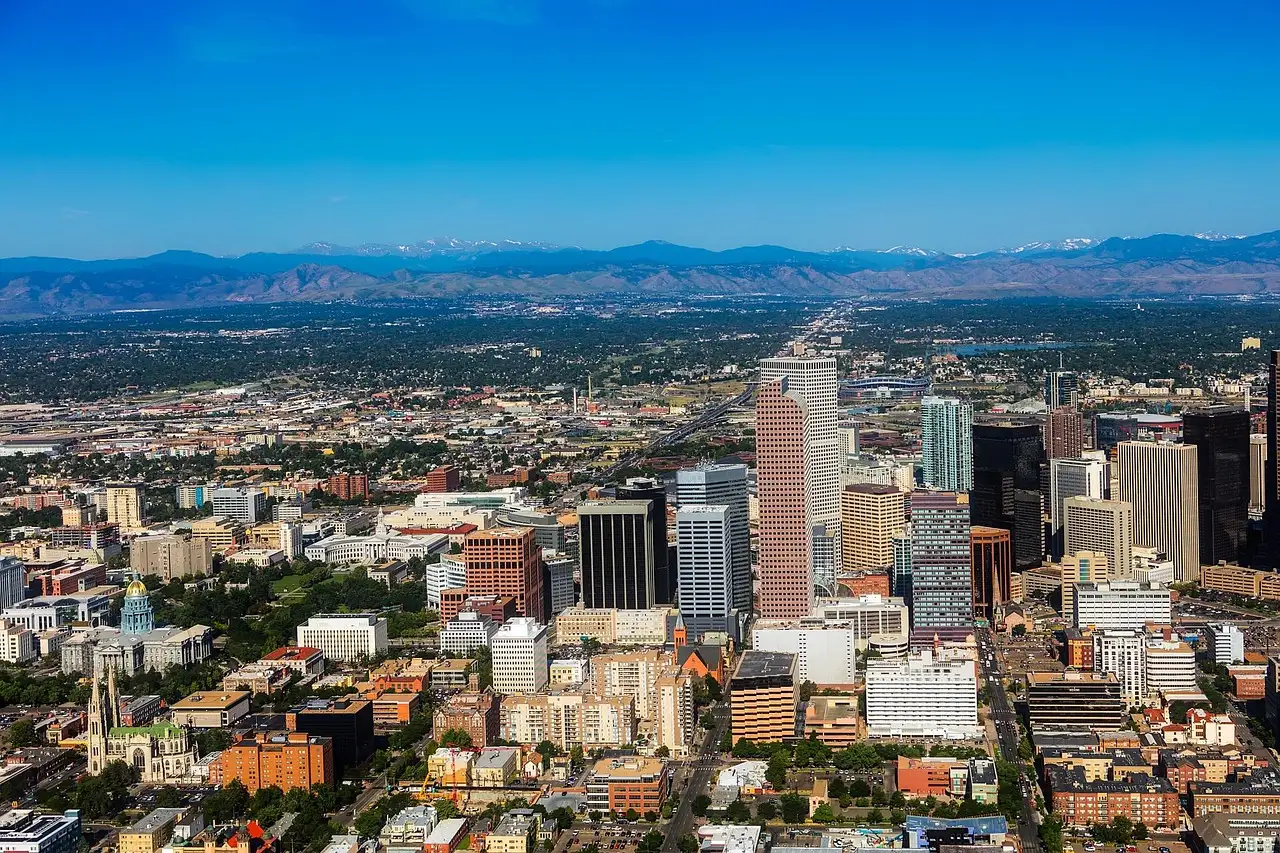 Denver
 Side-by-Side Metrics
| Category | Dallas | Denver | Winner | Note |
|---|---|---|---|---|
| Median Home Price | $410,000 | $575,000 | Dallas | Dallas is 29% cheaper for housing |
| Median Rent (1BR) | $1,355 | $1,800 | Dallas | Significant rental savings in Dallas |
| State Income Tax | 0% | 4.4% | Dallas | Texas has no state income tax |
| Property Tax Rate | ~2.2% | ~0.55% | Denver | Colorado property taxes are much lower |
| 300+ Sunny Days/Year | 232 | 300 | Denver | Denver is one of the sunniest US cities |
| Outdoor Access | Limited | World-class | Denver | Rocky Mountains within 30 minutes |
| Fortune 500 HQs | 21 | 7 | Dallas | Dallas has 3x the corporate headquarters |
| Job Market Size (Metro) | 8.3M+ | 2.9M | Dallas | DFW metro is 2.9x larger |
| Cost of Living Index | ~102 | ~112 | Dallas | Dallas is near the national average, Denver above |
| Altitude | 430 ft | 5,280 ft | Tie | Mile High City vs Texas plains; personal preference |
Detailed Category Breakdown
Cost of Living
Winner: DallasDallas wins on affordability by a wide margin. The median home price in DFW is $410,000 compared to Denver's $575,000, a difference of $165,000 that dramatically impacts monthly housing costs. One-bedroom rents average $1,355 in Dallas versus $1,800 in Denver. The biggest financial differentiator is state income tax: Texas charges zero percent while Colorado levies a flat 4.4% rate, which on a $100,000 salary means $4,400 in annual savings by living in Dallas. Denver does have significantly lower property taxes at roughly 0.55% compared to Dallas's 2.2%, but on a lower-priced Dallas home, the absolute dollar difference favors Dallas. Overall, the cost of living index in Dallas sits around 102 (near the national average) versus Denver's 112, meaning a family's dollar stretches roughly 10% further in DFW when combined with the zero income tax advantage.
Job Market
Winner: DallasDallas dominates on sheer scale and diversity. The DFW metro of 8.3 million people supports 21 Fortune 500 headquarters spanning finance, technology, telecommunications, defense, healthcare, and logistics. Major employers include AT&T, Texas Instruments, Charles Schwab, American Airlines, and McKesson. Denver's metro of 2.9 million is strong in aerospace (Lockheed Martin, Ball Aerospace), technology, renewable energy, and federal government operations. Denver has attracted significant tech growth, with companies like Google, Amazon, and Palantir expanding operations. However, Dallas's larger economy provides more options for career pivots and industry transitions without relocating. Both cities have low unemployment rates and strong wage growth. For professionals seeking maximum career optionality across multiple sectors, Dallas's scale is hard to beat.
Outdoor Lifestyle
Winner: DenverDenver wins this category decisively, and it is not close. The Rocky Mountains are within a 30-minute drive, offering world-class skiing, snowboarding, hiking, mountain biking, rock climbing, and white-water rafting. Colorado has over 50 peaks above 14,000 feet, hundreds of miles of trails, and a deeply ingrained outdoor culture. Denver itself has an extensive urban trail system along the South Platte River and Cherry Creek. Dallas offers lake recreation at nearby reservoirs like Lake Lewisville and Lake Ray Hubbard, plus some decent hiking at state parks, but nothing approaching the scale or variety of Colorado's outdoor offerings. If outdoor recreation is a primary lifestyle priority, Denver is in a different league entirely. Dallas compensates with abundant golf courses, urban parks, and proximity to Hill Country for weekend getaways.
Weather & Climate
Winner: TieBoth cities enjoy abundant sunshine, but the climates differ significantly. Denver averages 300 sunny days per year with dry, cold winters and mild summers that rarely exceed 95 degrees. Dallas has hot, humid summers with temperatures regularly hitting 100 degrees from June through August, plus 38 inches of annual rainfall. Denver gets about 57 inches of snow annually but individual storms melt quickly due to intense sunshine. Dallas rarely sees snow but faces disruptive ice storms every few years. Denver's altitude means lower humidity year-round, which many transplants prefer. Dallas offers milder winters overall, with freezing temperatures less common. Severe weather risk includes tornadoes in Dallas and occasional hailstorms in both cities. The best climate depends on whether you prefer dry mountain cold or Southern heat.
Culture & Entertainment
Winner: TieDenver and Dallas offer distinct cultural personalities. Denver's culture revolves around the outdoors, craft beer (more breweries per capita than almost any US city), and a laid-back mountain-town energy despite being a major metro. The arts scene includes Red Rocks Amphitheatre, one of the most iconic concert venues in the world. Dallas offers a more cosmopolitan, polished experience with world-class museums in the Arts District, an outstanding and diverse food scene, professional sports across all major leagues, and vibrant nightlife in Deep Ellum and Uptown. Dallas has a stronger international dining culture reflecting its diverse population. Denver's food scene excels in farm-to-table cuisine and craft beverages. Both cities support thriving music, arts, and entertainment communities, but the overall vibe is quite different: outdoorsy casual versus urban sophistication.
Housing Market
Winner: DallasDallas offers far more affordable and varied housing options. The $410,000 median home price in DFW buys a spacious suburban home in a top school district, while the same budget in Denver often means a smaller condo or a home requiring significant updates. DFW's suburban expansion into Frisco, Celina, Prosper, and other communities provides abundant new construction with modern floor plans and amenities. Denver's housing market is constrained by geography, with mountains to the west limiting expansion, driving prices higher. Newer suburban development in areas like Aurora, Parker, and Castle Rock offers more affordable options but with longer commutes. For families seeking square footage, new construction, and value in a top-rated school district, Dallas suburbs deliver significantly more home per dollar. Denver's lower property tax rate partially offsets the higher purchase price but not enough to close the gap.
Our Verdict
Dallas is the clear choice for career-focused professionals who want affordable big-city living, zero state income tax, and maximum job market diversity across 21 Fortune 500 companies. Your dollar stretches roughly 10% further in DFW when factoring in the zero income tax advantage, and the housing market offers substantially more space and value. Denver is ideal for outdoor enthusiasts willing to pay a premium for world-class mountain access, 300 days of sunshine, and a lifestyle built around hiking, skiing, and craft culture. Both cities are growing rapidly and offer strong economies. The decision ultimately comes down to priorities: financial optimization and career breadth favor Dallas, while lifestyle and outdoor recreation favor Denver.
Frequently Asked Questions
How much cheaper is Dallas than Denver?
Dallas is approximately 10% cheaper overall based on cost of living indices, with additional savings from zero state income tax. The biggest savings come from housing (median home price $410,000 vs $575,000 in Denver) and state income tax (0% in Texas vs 4.4% in Colorado). On a $100,000 salary, living in Dallas saves about $4,400 annually in state income tax alone. One-bedroom rents are roughly $445 less per month in Dallas. Denver does have lower property taxes at 0.55% versus 2.2%, but on a less expensive Dallas home the absolute tax amount is often comparable.
Is the job market better in Dallas or Denver?
Dallas has a larger and more diversified job market. The DFW metro of 8.3 million people hosts 21 Fortune 500 headquarters across finance, tech, telecom, defense, and healthcare. Denver's metro of 2.9 million is strong in aerospace, technology, renewable energy, and federal government but offers fewer total opportunities. Both cities have low unemployment and solid wage growth. Dallas provides more options for career transitions between industries, while Denver excels in specific sectors like aerospace and outdoor industry. For maximum career flexibility, Dallas has the advantage.
What about the weather difference between Dallas and Denver?
Denver has dry, cold winters with 57 inches of annual snow, mild summers rarely exceeding 95 degrees, and 300 sunny days per year. Dallas has hot, humid summers regularly hitting 100 degrees, mild winters with occasional ice storms, and 232 sunny days. Denver's altitude keeps humidity low year-round, while Dallas humidity can be oppressive from June through September. Denver snow melts quickly thanks to intense sunshine. Dallas faces tornado risk in spring while Denver gets occasional hailstorms. Most people who dislike humidity prefer Denver's climate.
Can I enjoy outdoor activities in Dallas?
Dallas offers outdoor recreation but nothing comparable to Denver's Rocky Mountain access. DFW has numerous lakes for boating, fishing, and water sports including Lake Lewisville, Lake Grapevine, and Lake Ray Hubbard. The Trinity Trails system provides over 70 miles of paved paths for cycling and jogging. Cedar Ridge Preserve and Arbor Hills Nature Preserve offer moderate hiking. Texas Hill Country is about three hours south for weekend camping and river activities. If outdoor recreation is your primary lifestyle driver, Denver's proximity to world-class mountains is unmatched.
Which city is growing faster?
Both cities are among the fastest-growing metros in the United States. DFW has been adding roughly 150,000 new residents annually, driven by corporate relocations and job creation across multiple industries. Denver's metro has also seen strong growth, particularly fueled by tech migration and remote workers seeking mountain lifestyle. However, Denver's growth has slowed somewhat as affordability concerns push some residents to cheaper markets. Dallas continues to benefit from being one of the most affordable large metros in the country, attracting both companies and individuals from higher-cost states like California and New York.
Explore Dallas
Neighborhoods, schools, jobs & more
More Comparisons
Dallas vs other cities